Dental Implants
What Patients Should Know About Dental Implants
An implant replaces the root of a missing tooth with a small titanium or ceramic post placed in the jawbone, which later supports a crown.
7 min read
Resource section
A dental implant is one way of replacing a missing tooth. Because implant treatment is usually staged over months and involves surgery, patients often want to understand the sequence before deciding whether it is the right approach for them.
This resource centre describes the parts of an implant, the factors a dentist evaluates when assessing candidacy, what the treatment process generally looks like, and how implants are maintained. It does not predict outcomes for any individual — that assessment requires an in-person examination.
Dental Implants
An implant replaces the root of a missing tooth with a small titanium or ceramic post placed in the jawbone, which later supports a crown.
7 min read
Dental Implants
Both replace a missing tooth, but they solve the problem differently: one stands alone in bone, the other borrows support from the teeth beside the gap.
6 min read
Looking for something else? Browse every article.
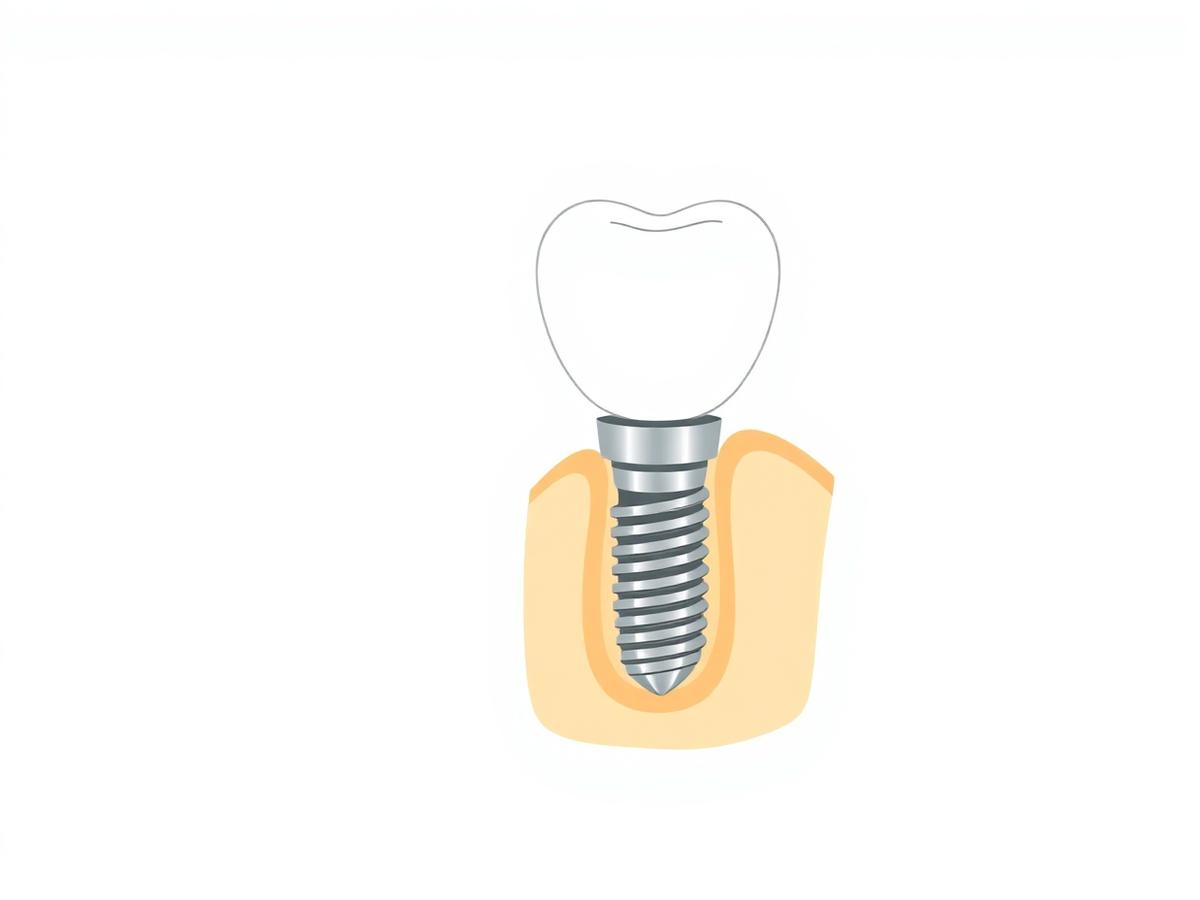
An implant is a replacement tooth root: a small threaded post, usually titanium or zirconia, placed into the jawbone. Over a period of months, bone grows into contact with its surface. Only after that has occurred can the post support a crown, bridge or denture attachment.
Implant restorations have three parts: the fixture placed in bone, the abutment that passes through the gum, and the visible restoration. Knowing which part is being discussed makes conversations about cost, repair and maintenance far clearer.
Candidacy is assessed in person and depends on bone volume and quality at the site, gum health, general health and healing capacity, smoking, certain medications affecting bone, and whether heavy clenching or grinding is present. Some people who lack sufficient bone can still proceed after grafting; others are better served by a different option.
A typical sequence is assessment and imaging, any preparatory work such as extraction or grafting, surgical placement of the fixture under local anaesthetic, a healing period, then a scan or impression and fitting of the final restoration. Timelines vary considerably between cases.
Some swelling, bruising and discomfort in the days after surgery is usual, and specific aftercare instructions are given by the treating clinician. Those instructions take precedence over anything published here. Increasing pain, spreading swelling or fever should always be reported promptly.
Implants cannot decay, but the gum and bone around them can become inflamed — peri-implantitis — and that can lead to loss of support. Daily cleaning around the implant, professional maintenance appointments and management of grinding are all part of long-term care.
Published research on implants describes outcomes across groups of patients. It cannot predict a result for any individual, and no guarantee of outcome should be inferred from the information on this page.